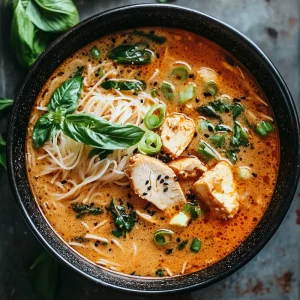
Vietnamese pho is one of the world’s most beloved comfort foods, a fragrant bowl of noodle soup that is as nourishing as it is flavorful. Rooted in Vietnamese tradition, pho is more than just a meal, it is a cultural icon that reflects balance, patience, and the art of layering flavors. Steaming hot, richly aromatic, and endlessly customizable, it has become a global favorite while remaining deeply tied to its origins.
At its foundation, pho begins with the broth, the soul of the dish. Typically simmered for hours with beef bones, charred onion, ginger, and spices like star anise, cloves, and cinnamon, the broth develops a depth that is both savory and subtly sweet. This aromatic base is what makes pho unforgettable, filling the air with warmth before the first spoonful is even tasted. Chicken-based versions offer a lighter but equally comforting variation, showcasing the dish’s adaptability.
The noodles, flat rice noodles known as bánh phở, provide a soft, silky texture that complements the richness of the broth. Thin slices of beef, added raw and cooked gently by the hot broth, are a classic topping, though variations include chicken, brisket, or even plant-based proteins. Fresh herbs such as cilantro, Thai basil, and mint bring brightness, while bean sprouts, lime wedges, and chili add crunch, tang, and spice, allowing each person to tailor their bowl to their liking.
What makes pho so special is its harmony of flavors and textures. The umami depth of the broth, the freshness of the herbs, the heat from chilies, and the acidity from lime create a balance that feels both invigorating and comforting. It’s a dish designed not just to satisfy hunger but to engage the senses fully.
In Vietnam, pho is often enjoyed as a breakfast food, served by street vendors to early risers starting their day. Around the world, it has become a meal for any time, cherished in cozy restaurants or homemade kitchens alike. Each bowl carries with it the story of Vietnamese culture, resilience, and the joy of sharing food.
Pho is more than soup – it’s an experience. Warming, fragrant, and deeply satisfying, it’s the kind of dish that invites you to slow down, savor, and appreciate the beauty of simple ingredients transformed with care.
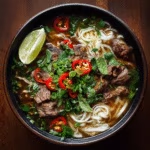
Ingredients
- 1 beef bones preferably marrow and knuckle bones
- 1 inch ginger sliced
- 1 onion halved
- 1 tablespoon salt
- 1 tablespoon sugar
- 2 tablespoons fish sauce
- 1 package rice noodles cook as per package instructions
- 1 pound beef sirloin thinly sliced
- 1 bunch cilantro fresh, chopped
- 1 bunch scallions chopped
- 3 star anise
- 2 cloves
- 1 bunch Thai basil fresh
- 2 limes cut into wedges
- 1 piece chilli pepper to taste
Instructions
- Char the ginger and onion directly over an open flame or in a hot pan until blackened, then rinse under running water and set aside.
- In a large pot, cover the beef bones with water and bring to a boil. Boil for 10 minutes, then drain and rinse the bones to remove impurities.
- Return the cleaned bones to the pot and fill with 8 cups of fresh water. Add the charred ginger and onion, salt, sugar, fish sauce, star anise, and cloves. Bring to a boil, then reduce heat and simmer for 2 hours, skimming any scum that rises to the surface.
- In the meantime, prepare the rice noodles according to package instructions. Drain and set aside.
- Once the broth is ready, strain it into a clean pot, discarding the solids.
- To serve, place some rice noodles into a bowl and top with sliced beef sirloin. Pour hot broth over the top, which will cook the thin slices of beef.
- Garnish with cilantro, chilli peppers, scallions, and Thai basil. Serve with lime wedges on the side.
Nutrition