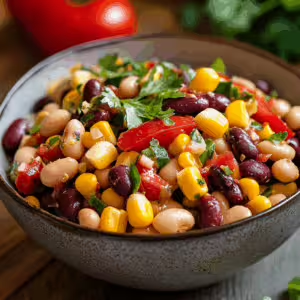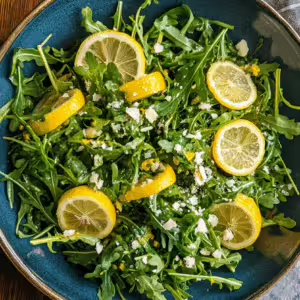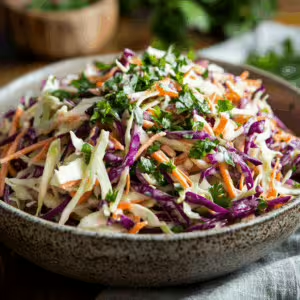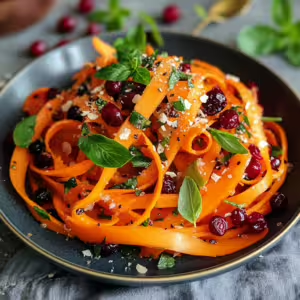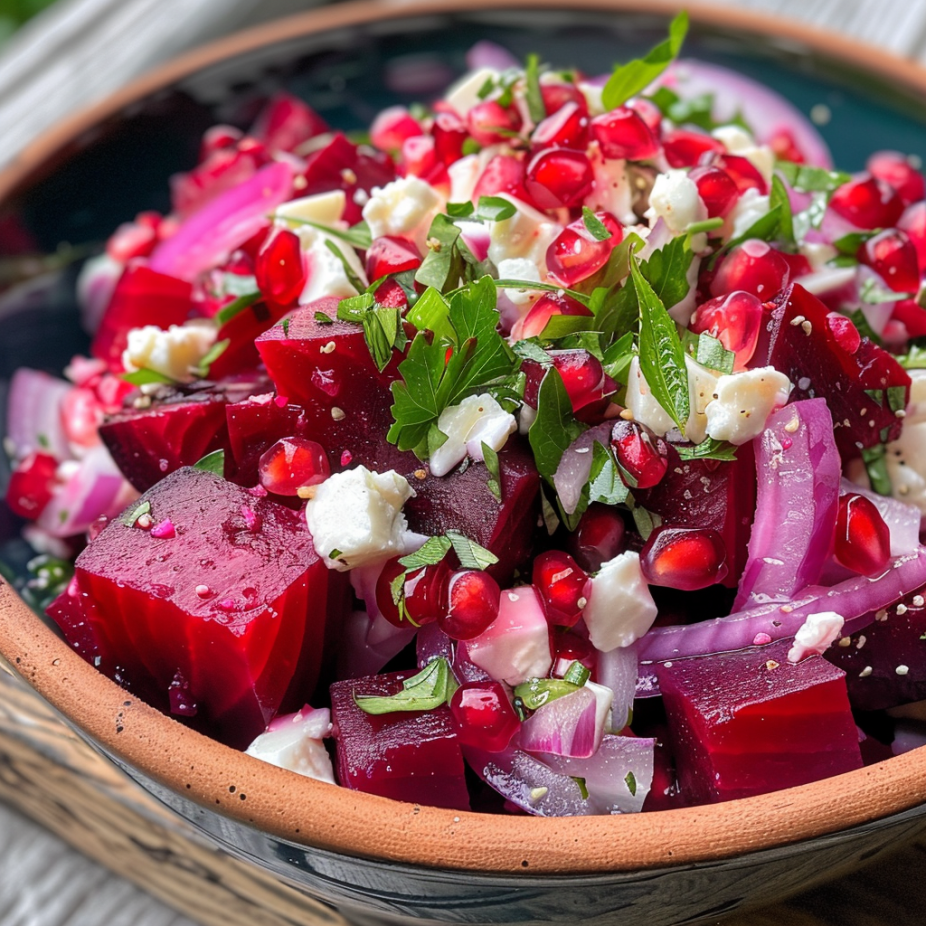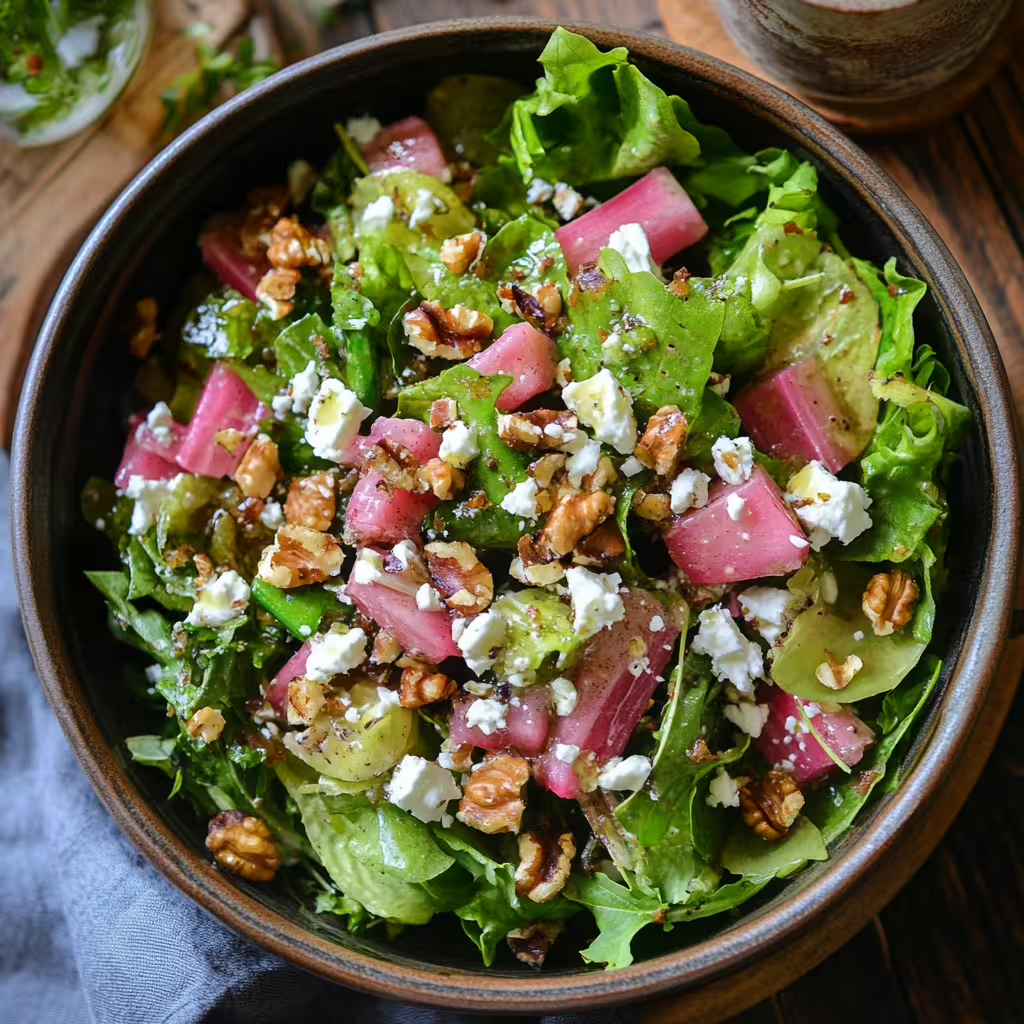
Looking for a way to enjoy rhubarb beyond crumbles and cakes? Try this vibrant Roasted Rhubarb Salad—a refreshing, slightly tangy dish that transforms tart rhubarb into something truly elegant. Paired with leafy greens, creamy cheese, and a light vinaigrette, this salad is perfect for spring and summer dining.
Why Roast Rhubarb?
Rhubarb is naturally tart, but roasting it softens its texture and mellows the acidity. Tossed with a bit of olive oil and honey or maple syrup, the rhubarb caramelizes in the oven, bringing out its natural sweetness and creating tender pieces that melt in your mouth.
Optional Add-Ins:
- Thinly sliced red onions for a savory bite
- Fresh strawberries or oranges for extra sweetness
- Grilled chicken or lentils for added protein
Why You’ll Love It:
This salad is a perfect balance of flavors—sweet, sour, creamy, and crunchy. It’s light enough for lunch but satisfying enough to serve as a side for grilled meat or fish. Plus, it’s naturally gluten-free and easy to adapt for vegan or dairy-free diets.
Rhubarb is often celebrated for its tart flavor and use in desserts, but it also offers a surprising number of health benefits. Packed with antioxidants like anthocyanins and polyphenols, rhubarb helps fight oxidative stress and inflammation in the body. These compounds are believed to support heart health and may even reduce the risk of chronic diseases such as cancer.
Digestive and Heart Health Support
Thanks to its high fiber content, rhubarb supports healthy digestion and can relieve occasional constipation with its gentle, natural laxative effects. The fiber also contributes to lowering cholesterol levels, which is beneficial for heart health. Additionally, rhubarb contains potassium, a mineral that helps regulate blood pressure and maintain cardiovascular balance.
Bone Strength and Weight Management
Rhubarb is a good source of vitamin K, which plays a key role in bone formation and helps prevent osteoporosis. This nutrient also supports proper blood clotting. With its low calorie content and high fiber, rhubarb makes an excellent food choice for those trying to manage their weight, as it promotes satiety without adding many calories.
Blood Sugar Balance and Anti-Inflammatory Benefits
Some early studies suggest that rhubarb extract may help balance blood sugar levels by improving insulin sensitivity. While more research is needed, it shows potential as a natural aid for metabolic health. Additionally, rhubarb’s anti-inflammatory properties—thanks to its antioxidant profile—may help ease symptoms of inflammation-related conditions.
A Word of Caution
While rhubarb stalks are safe and healthy to eat, its leaves are toxic due to their high oxalic acid content and should never be consumed. Always trim off the leaves completely and use only the stalks in your cooking.
Ingredients
- 2 stalks rhubarb cut into 1-inch pieces
- 2 tablespoons olive oil divided
- 1 tablespoon honey
- 1 tablespoon balsamic vinegar
- 4 cups mixed salad greens
- 1/4 cup feta cheese crumbled
- 1/4 cup walnuts toasted
Instructions
- Preheat the oven to 400°F (200°C).
- Place the rhubarb on a baking sheet and drizzle with 1 tablespoon of olive oil and honey. Toss to coat.
- Roast the rhubarb in the oven for 15-20 minutes, until soft and caramelized. Remove and let cool.
- In a small bowl, whisk the remaining olive oil with balsamic vinegar to make a dressing.
- In a large salad bowl, combine the mixed greens, roasted rhubarb, feta, and walnuts.
- Drizzle the dressing over the salad and toss gently to combine.
Nutrition