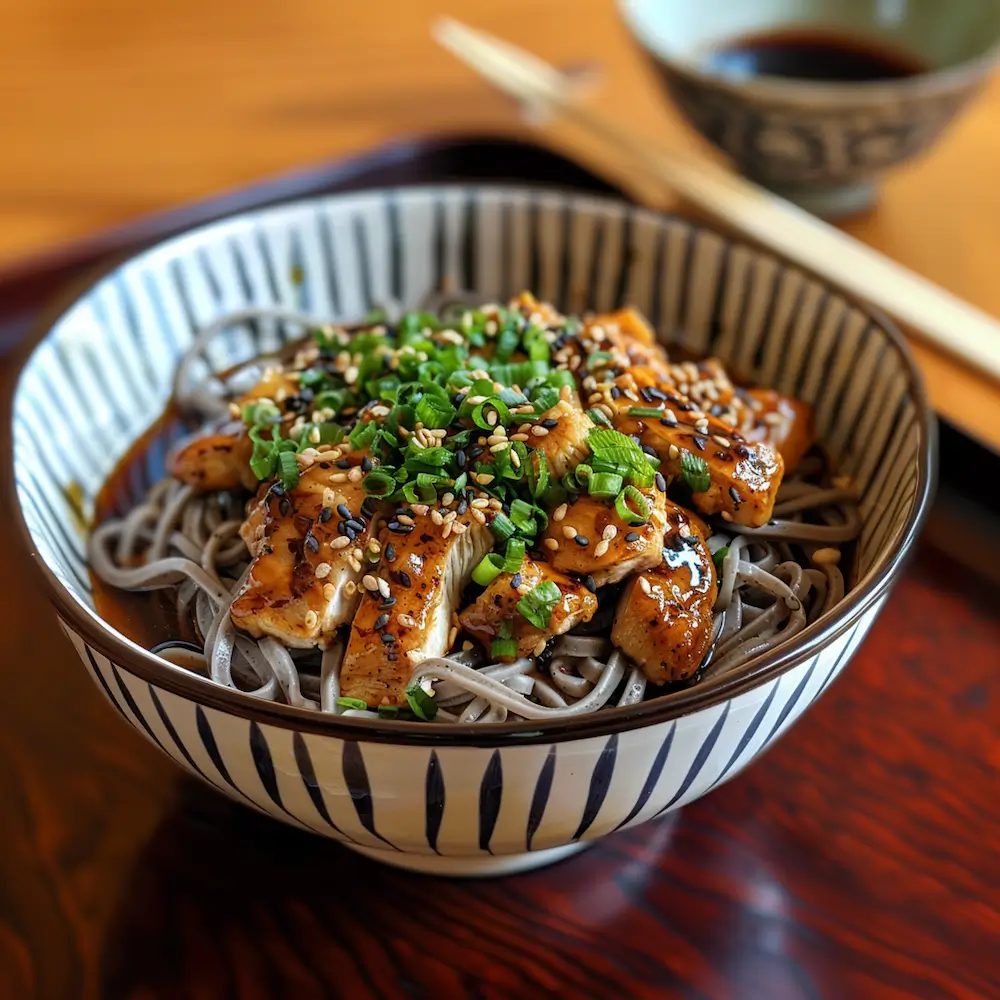
Yuzu Shio Ramen is a light, citrusy Japanese noodle soup that brings comfort with every spoonful. Inspired by the delicate flavors served in ramen shops across Tokyo, this recipe captures the bright aroma of yuzu and the clean taste of shio broth. Follow along to make your own soothing bowl at home-simple, fresh, and full of umami.
What Is Yuzu?
Imagine slicing into a small, knobby citrus fruit and being hit with a burst of fragrance-floral, sharp, and deeply refreshing. That’s yuzu, a beloved fruit in Japanese cooking, often used not for its juice, but for its zest and aroma. In ramen, just a touch of yuzu lifts the broth into something bright and unexpected, like a whisper of sunshine in a bowl.
Yuzu Shio Broth
Yuzu Shio Broth is a light, Japanese-inspired soup base that combines the bright, citrusy flavor of yuzu with the delicate saltiness of shio (salt) seasoning. “Shio” literally means salt in Japanese, and in cooking it refers to a clear, simple broth that highlights natural flavors without heavy sauces or miso pastes. The addition of yuzu adds a refreshing tang and aromatic fragrance, giving the broth a slightly sweet and zesty note.
Yuzu Shio Broth is often used as a base for noodle soups, seafood dishes, or as a dipping sauce for dumplings and vegetables. Its lightness and vibrant citrus profile make it a perfect starter or accompaniment in Japanese cuisine, offering a balance between savory umami and bright, refreshing acidity. It’s celebrated for being both versatile and gentle on the palate while adding a distinct, sophisticated flavor.
What Is Shio Ramen?
While some ramen bowls are rich and heavy, shio ramen tells a different story, one of clarity, balance, and restraint. “Shio” means salt, but it’s not about brininess, it’s about bringing out the pure flavor of each ingredient, from the broth to the noodles. It’s the kind of soup you crave when you want something gentle but full of depth, especially when paired with the citrusy spark of yuzu.
Why Yuzu Shio Ramen Feels So Special?
There’s a quiet elegance in this bowl-a balance between comfort and refinement. Unlike creamy tonkotsu or deeply savory miso ramen, yuzu shio ramen doesn’t shout; it whispers. It’s the kind of dish that clears your mind with every bite, the citrus dancing lightly over a broth that’s been simmered with care. If you love bright, refreshing soups, this Yuzu Shio Ramen is a perfect alternative to heavier bowls like our Spicy Miso Ramen.
Toppings That Let the Yuzu Shio Broth Shine!
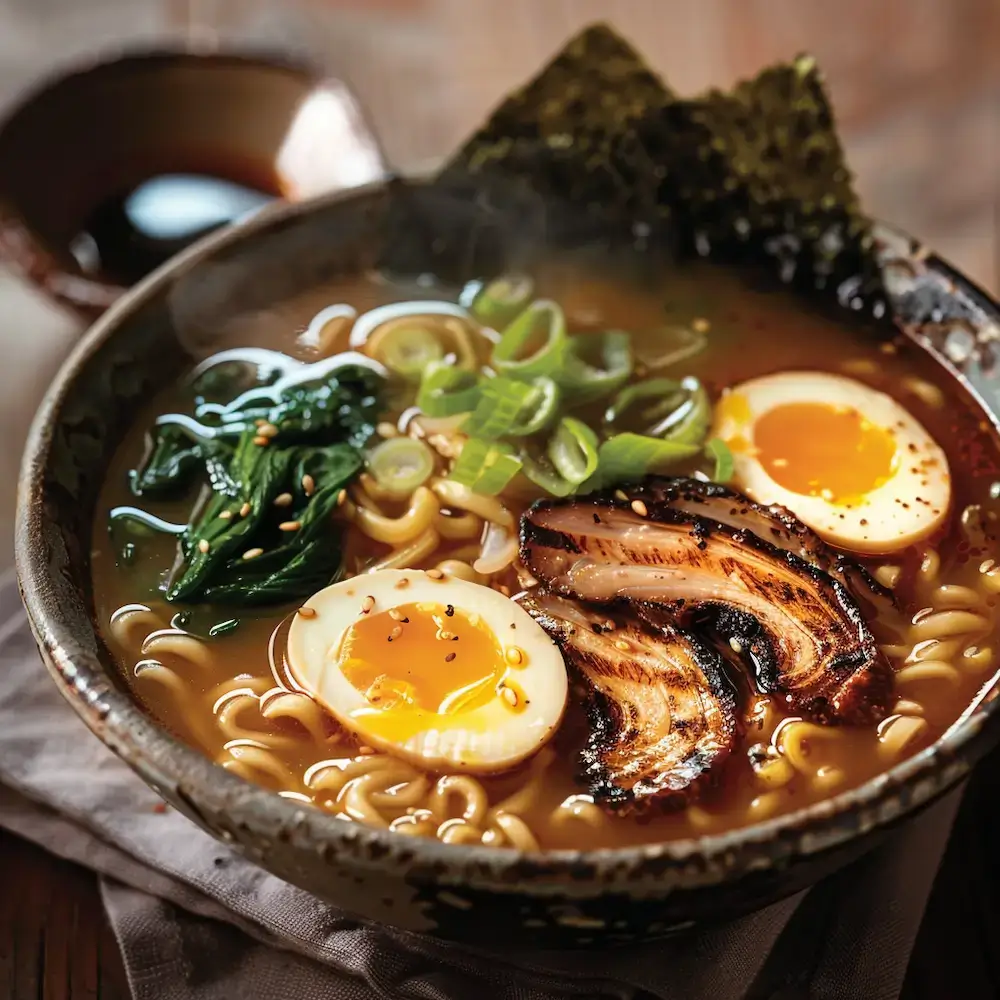
In yuzu shio ramen, the toppings aren’t the main event they’re the supporting cast, carefully chosen to elevate the broth rather than steal the spotlight. A soft-boiled egg, with its rich, jammy yolk, brings creaminess that melts into each sip. Sheets of nori offer a briny, ocean-kissed accent that pairs beautifully with the citrus notes of yuzu. Scallions add freshness and a gentle bite, while bamboo shoots bring subtle crunch and earthiness. Some variations might include a slice of chicken chashu or fish cake, but even those are prepared lightly to preserve the bowl’s delicate balance. Every topping serves a purpose each one a brushstroke in a quiet, harmonious painting.
These toppings also work beautifully in our lighter bowls like the Vegetarian Ramen Noodle Salad or even the cold-style Tsukemen.
Frequently Asked Questions
Is Yuzu Shio Ramen healthy?
It can be! Compared to heavier ramen styles, yuzu shio ramen is lower in fat and calories, especially when made with a clean broth and lean toppings. Its lightness makes it a favorite for those seeking a more balanced bowl.
Are ramen healthy?
It depends on the type and preparation. Some ramen bowls are rich and heavy, but lighter versions—like yuzu shio—can be part of a healthy meal when made with fresh, balanced ingredients and mindful toppings.
What are the 5 essentials of ramen?
The core elements of any ramen bowl are: broth, noodles, tare (seasoning base), toppings, and aroma oil. Each part plays a role in creating a well-rounded, flavorful experience.
Is Shio or Shoyu better?
That depends on your taste! Shio is lighter and more delicate, while shoyu (soy sauce) has a deeper, more savory flavor. Yuzu shio is perfect if you enjoy bright, refreshing notes.
How to make Yuzu Shio Ramen?
Start with a clear chicken or dashi broth, season it with sea salt and a touch of yuzu juice or zest. Add noodles, soft-boiled egg, and light toppings like scallions and nori for a delicate yet satisfying ramen experience.
What is the unhealthiest part of ramen?
In most ramen bowls, the unhealthiest part is the high-sodium broth or overly processed noodles. Choosing a light, homemade broth and fresh ingredients—like in yuzu shio ramen—makes a big difference.

Ingredients
- 4 cups chicken broth
- 2 cloves garlic minced
- 1 inch ginger grated
- 2 tbsp soy sauce
- 1 tbsp mirin
- 1 tbsp yuzu juice
- 1 tsp salt
- 1/2 tsp white pepper
- 2 packages ramen noodles
- 2 cups baby spinach
- 2 Green onions sliced
- 2 eggs soft boiled, halved
- 2 sheets Nori seaweed cut into strips
- 1 tbsp sesame oil
Instructions
- In a large pot, bring the chicken broth, minced garlic, and grated ginger to a boil.
- Reduce heat to low and simmer for 15 minutes.
- Stir in the soy sauce, mirin, yuzu juice, salt, and white pepper.
- Cook the ramen noodles according to package instructions, then drain and set aside.
- Divide the cooked noodles between serving bowls.
- Add the baby spinach to the hot broth and cook until wilted, about 1 minute.
- Ladle the hot broth and spinach over the noodles in each bowl.
- Top with sliced green onions, halved soft boiled eggs, and nori seaweed strips.
- Drizzle with sesame oil and serve immediately.
Video
Notes
- If fresh yuzu is unavailable, you can substitute with a mix of lemon, lime, and a touch of grapefruit zest for a similar citrus aroma.
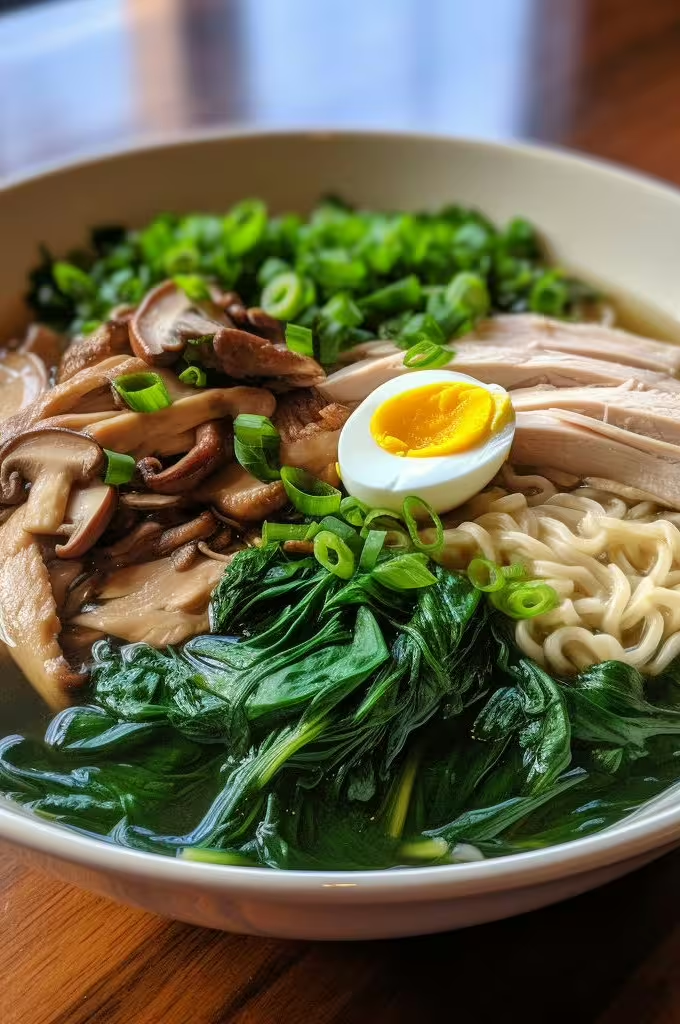
- For a vegetarian version, use kombu and shiitake mushroom broth instead of chicken or dashi stock, and skip the egg or replace it with tofu.
- Thin, straight ramen noodles are traditional, but you can use soba or rice noodles for a gluten-free option.
- To enhance the broth’s flavor, simmer with a few slices of ginger and a small piece of dried kelp (kombu) for 10–15 minutes before adding salt and citrus.
- Taste and adjust the salt before serving—shio ramen should be light, but flavorful.
- Serve immediately for the best texture, as the noodles will continue to soften in the hot broth.
Nutrition