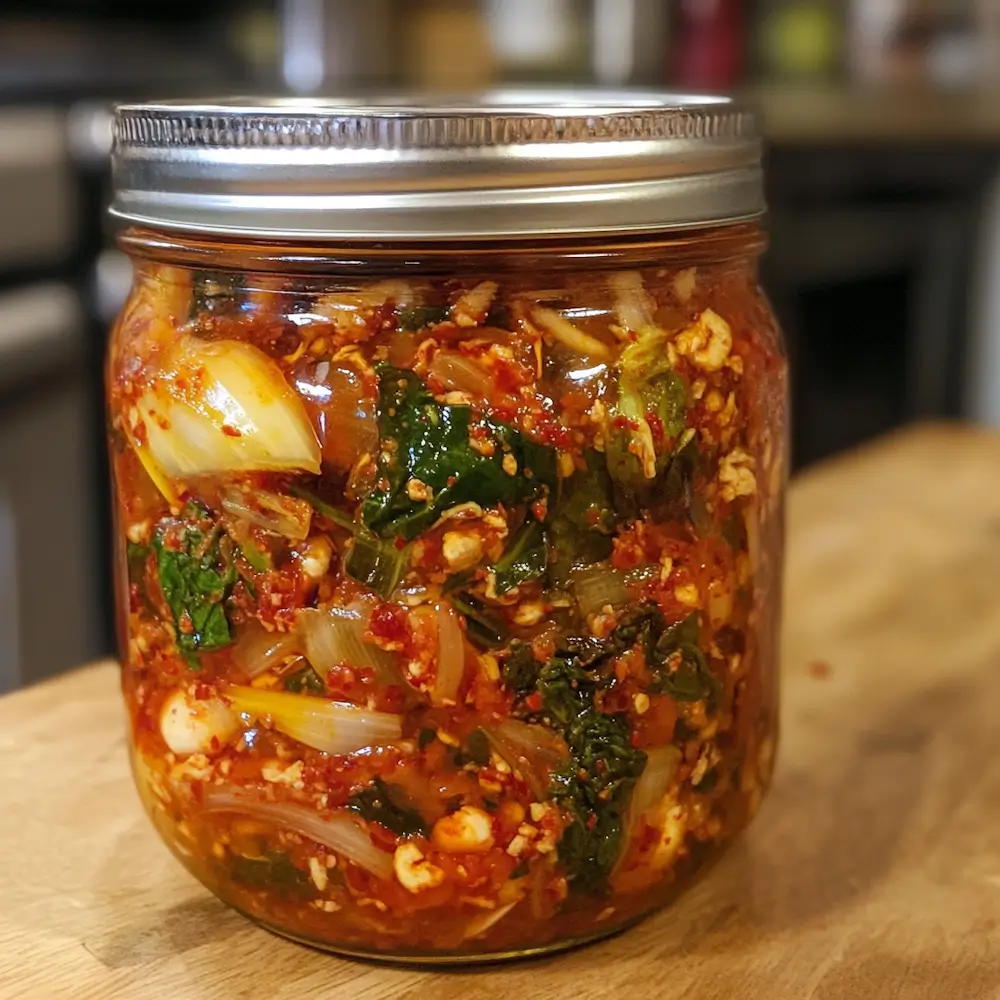
Kimchi might be Korea’s most famous culinary export, and for good reason. It’s spicy, tangy, crunchy, and packed with complex umami flavors that can transform even the simplest meals. At its core, kimchi is fermented cabbage, but that description hardly does justice to its depth and versatility. This ancient side dish has gained global popularity not just for its bold taste but also for its health benefits.
Making kimchi at home might sound intimidating if you’ve never tried fermentation before, but it’s surprisingly approachable. You don’t need fancy tools or hard-to-find ingredients. What you do need is a bit of patience and a willingness to experiment. The magic of kimchi lies in time. As it ferments, the flavors evolve from salty and spicy to tangy and deeply savory. The transformation is part of what makes the process so satisfying.
Homemade kimchi is also highly customizable. You can go for a classic napa cabbage version or branch out with daikon radish, carrots, or even green onions. Some prefer it blazing hot, while others tone down the chili for a milder taste. Vegetarian versions swap out fish sauce or shrimp paste for soy sauce or miso. However you make it, your batch will be unique to your kitchen and your tastes.
Fermentation is more than just a preservation method. It’s a way to add probiotics to your diet naturally, which supports gut health and digestion. Kimchi is also rich in vitamins A and C and low in calories, making it a flavorful addition to a healthy lifestyle.
Once ready, kimchi can be enjoyed in so many ways. Serve it as a side with rice, toss it into fried rice or noodles, pile it onto a sandwich, or top your favorite soup. It brings brightness and a little heat to any dish.
Homemade kimchi connects you to a centuries-old tradition while allowing for personal creativity. Whether you’re looking to try something new in the kitchen or add more fermented foods to your diet, kimchi is a rewarding place to start.
Ingredients
- 1 Napa cabbage large, about 2 pounds
- 1/4 cup sea salt
- 1 cup water for soaking
- 1 carrot large, julienned
- 4 cloves garlic minced
- 1 tablespoon ginger grated
- 2 tablespoons Korean red pepper flakes (gochugaru) adjust to spice preference
- 4 stalks scallions chopped
- 2 tablespoons fish sauce optional for a more authentic flavor
Instructions
- Cut the cabbage lengthwise into quarters and remove the core. Cut each quarter into 2-inch wide strips.
- Place the cabbage in a large bowl and sprinkle with the sea salt. Add the water and mix well. Let the cabbage soak for about 1 to 2 hours, tossing occasionally.
- Rinse the cabbage under cold water 3 times to remove excess salt. Drain in a colander for 15 to 20 minutes.
- In a large mixing bowl, combine the cabbage with the carrot, garlic, ginger, red pepper flakes, scallions, and fish sauce (if using). Mix thoroughly.
- Pack the kimchi tightly into a clean glass jar or fermentation container, pressing down to remove air bubbles and ensure the vegetables are submerged in the liquid.
- Seal the jar loosely with a lid (to allow gases to escape during fermentation) and let it sit at room temperature for 1 to 5 days. Check daily and press down the vegetables if needed.
- Once the kimchi has reached your desired level of fermentation, transfer it to the refrigerator. It can be consumed immediately or allowed to continue fermenting in the fridge for additional flavor development.