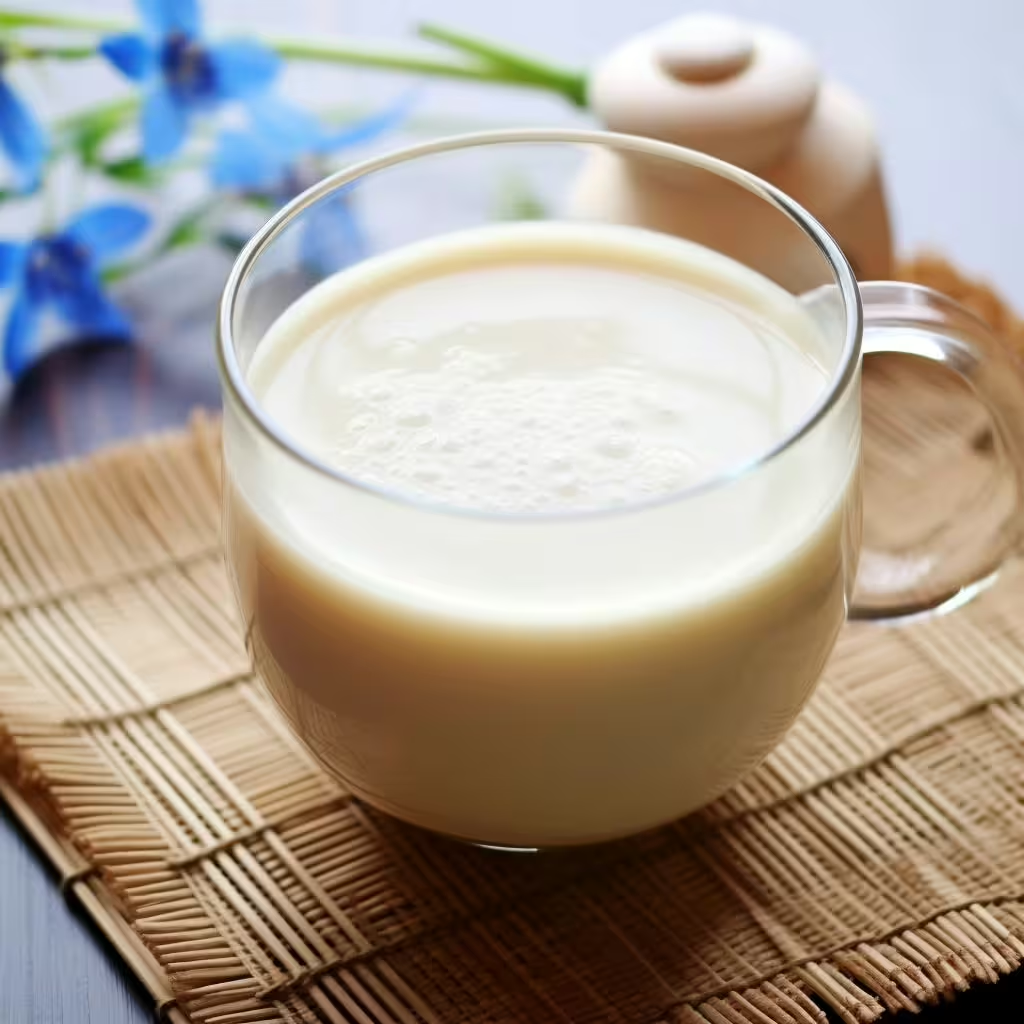
Amazake: A Traditional Sweet Japanese Rice Drink
Popularity and Cultural Significance
Amazake holds a significant place in Japanese culture and has been enjoyed for centuries. It is a beloved beverage often consumed during festivals and celebrations, showcasing its popularity among both locals and visitors. The unique flavor and comforting qualities of amazake have made it a staple in Japanese cuisine, particularly during the winter months when it is often served warm.
Health Benefits of Amazake
Amazake not only delights the taste buds but also offers various health benefits. It is made by fermenting rice with koji, a type of cultured rice mold, which enhances the drink’s nutritional profile. Amazake is low in fat, cholesterol-free, and provides essential vitamins and minerals such as Vitamin B, Vitamin E, and potassium. Additionally, the natural sugars derived from rice fermentation give amazake its sweet taste, making it a healthier alternative to artificial sweeteners or sugary beverages.
Versatility in Consumption
Amazake is incredibly versatile and can be enjoyed in various ways. It can be sipped on its own as a warm or chilled drink, or used as a base for other beverages such as smoothies, milkshakes, or cocktails. It can also be incorporated into desserts, soups, or porridge to add a natural sweetness and depth of flavor. The adaptability of amazake extends its appeal to those looking to explore new culinary creations while maintaining a balance between traditional and modern flavors.
Conclusion
Amazake is not only a delightful, sweet rice drink but also a significant part of Japanese culinary heritage. Its popularity stems from its unique flavor, health benefits, and versatility in consumption. Whether enjoyed on its own, incorporated into recipes, or consumed as a traditional festive beverage, amazake truly captures the essence of Japanese culture and its devotion to both taste and well-being.
Ingredients
- 1 cup short-grain rice
- 2 cups water
- 1/4 cup koji (fermented rice)
- 1/4 cup honey or sugar
- 1/4 tsp salt
- 1 tsp vanilla extract optional
Instructions
- Rinse the rice under cold water until the water runs clear.
- Place the rice in a large bowl and cover with water. Let it soak for 24 hours.
- Drain the rice and place it in a blender or food processor. Add water and blend until smooth.
- Transfer the blended rice mixture to a large pot and bring to a simmer.
- Reduce the heat to low and cook for 30 minutes, stirring occasionally.
- Remove from heat and let the mixture cool to about 140°F (60°C).
- Add koji, honey or sugar, salt, and vanilla extract (if using) to the pot and stir until well combined.
- Cover the pot with a clean kitchen towel and let it sit at room temperature for 8-12 hours to ferment.
- After fermentation, refrigerate the amazake and serve chilled.
My grandma would not approve of the blender part lol, but I did it anyway. Honestly it still worked. I used vanilla and it smells like dessert.
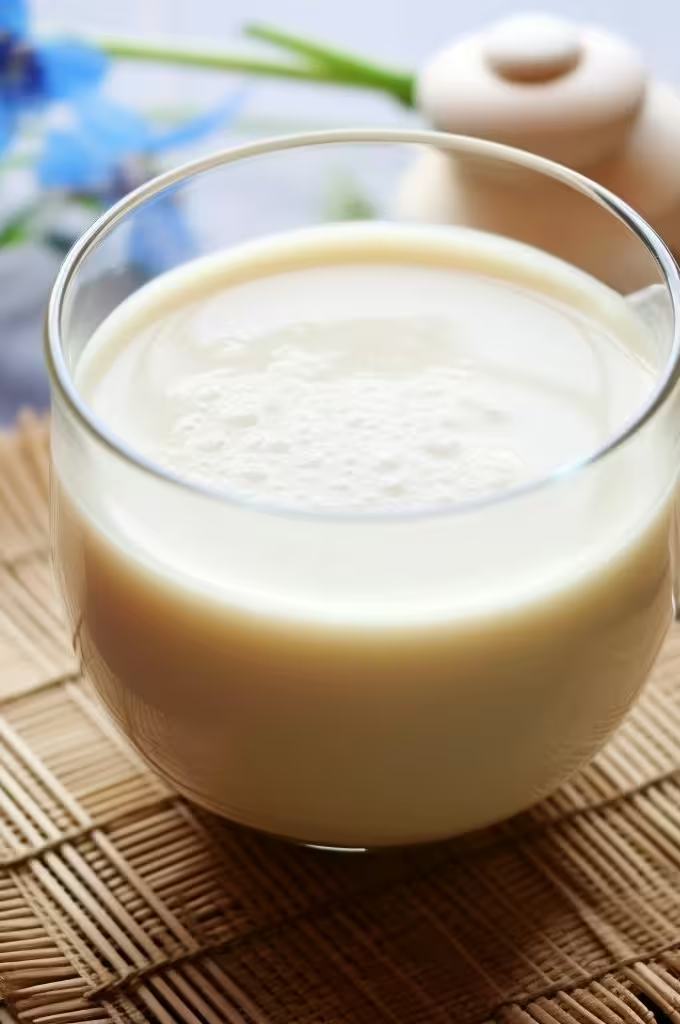
Made this for the first time and it turned out creamy and lightly sweet. The 8–12 hour ferment is key—mine got thicker after chilling too. Will definitely do again.
Not gonna lie, the blender step made it kinda foamy. Next time I’ll blend less or strain it. Flavor is decent though.
The vanilla is optional, but I tried it and it actually helped. However, my blender wasn’t strong enough, so I had a couple grain bits—still good though.
1 cup rice + 2 cups water sounds too watery to me. I’m worried it won’t thicken, but I’m trying it anyway. If it fails, I’m blaming the “kojii” 😂
Fermenting at room temperature sounds kinda risky. Do you really not need a precise temperature? I’m scared of bacteria lol.
I didn’t have koji, so I used something else. It turned out okay but not the best.
140°F (60°C) is hard to measure without a thermometer, I just guessed and it turned out kinda sour. Probably fine if you nail the temp though.
I don’t even own a thermometer 😅 I just keep it “warm like bath water” then wait. Sometimes it’s tangy, but I thought that was normal? Maybe I’m doing it wrong.
That makes sense—60°C is kinda the whole trick with amazake. If it’s sour, you may have been too warm or fermented longer than needed. A cheap kitchen thermometer really saves headaches.
This is oddly calming to make. The waiting part is the hardest (8-12 hours is a lot). But when you finally chill it, it’s so good.
This was so yummy! I added more honey and it was perfect! Planning to make it again!